Property Management Tips for First-Time Chicago Landlords
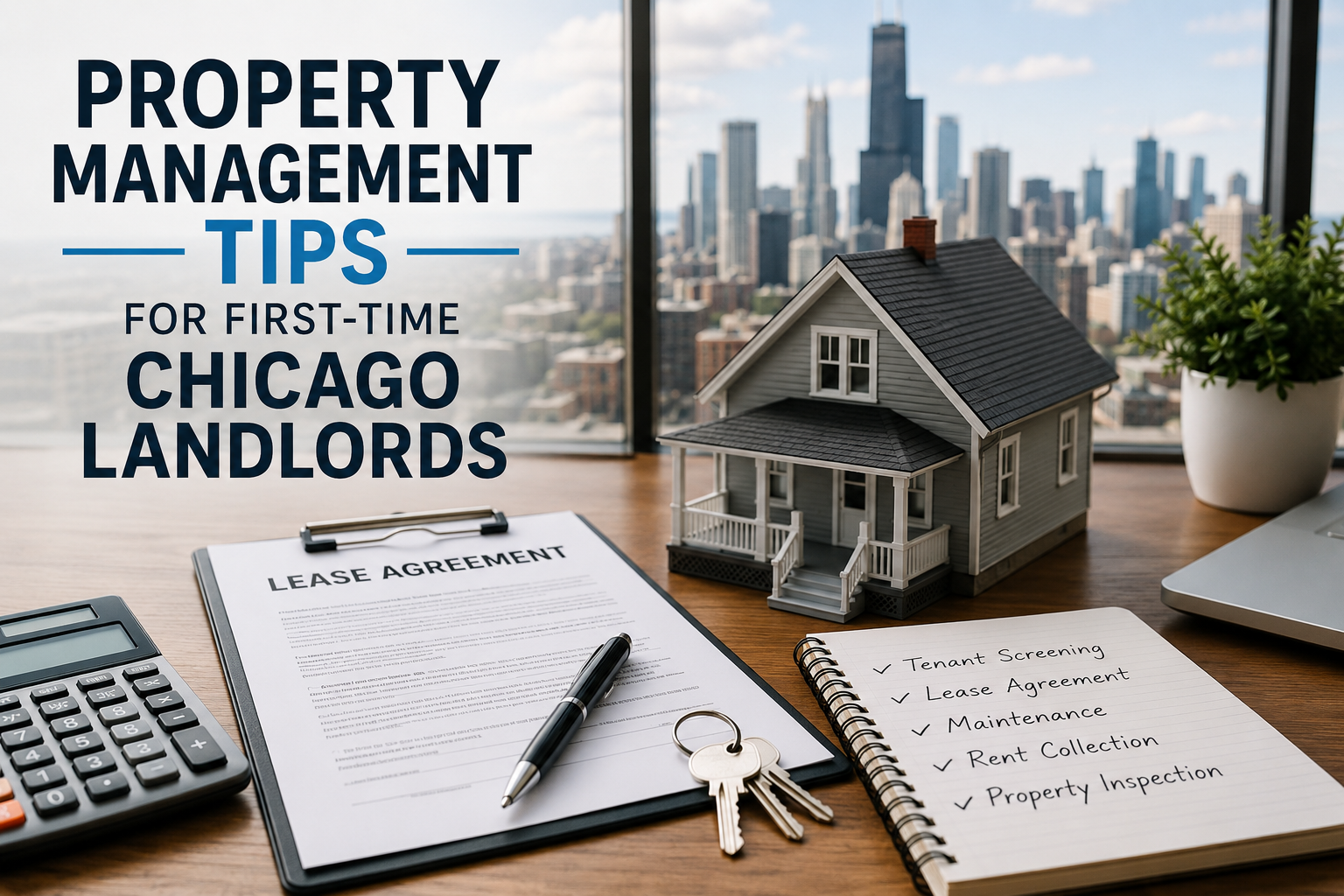
Property Management Tips for First-Time Chicago Landlords: The Complete 2026 Guide
Becoming a landlord for the first time is an exciting milestone. Whether you purchased a two-flat, inherited a rental property, or are house hacking your way into real estate investing, owning rental property in Chicago can be an excellent way to build long-term wealth and generate passive income.
However, being a successful landlord requires much more than collecting rent each month. Chicago has unique landlord-tenant laws, maintenance challenges, and market conditions that every property owner should understand.
These property management tips for first-time Chicago landlords will help you protect your investment, attract quality tenants, and avoid costly mistakes.
Why Chicago Is a Great Place to Own Rental Property
Chicago remains one of the country’s best cities for rental property investing because of its:
- Strong rental demand
- Diverse neighborhoods
- Relatively affordable multi-unit properties
- Excellent public transportation
- Long-term appreciation potential
- Opportunities for cash flow and house hacking
But to maximize your returns, you need a solid property management strategy.
1. Learn Chicago Landlord-Tenant Laws
The most important property management tip for first-time Chicago landlords is understanding local laws.
Chicago’s Residential Landlord and Tenant Ordinance (RLTO) contains specific rules that landlords must follow regarding:
- Security deposits
- Lease disclosures
- Maintenance responsibilities
- Notice requirements
- Tenant privacy rights
- Essential services such as heat and water
Failure to comply with local regulations can lead to fines, lawsuits, and expensive penalties.
Before renting your property, familiarize yourself with:
- Chicago landlord laws
- Cook County regulations
- Illinois fair housing laws
- Building and safety requirements
Understanding the rules protects both you and your tenants.
2. Screen Tenants Carefully
One bad tenant can cost thousands of dollars in unpaid rent, property damage, and legal fees.
Thorough tenant screening is one of the best ways to protect your investment.
Always verify:
Credit History
Look for a history of paying bills on time.
Income Verification
Most landlords prefer tenants who earn at least three times the monthly rent.
Employment Status
Confirm stable employment and consistent income.
Rental References
Speak with previous landlords to verify payment history and behavior.
Background Check
Review prior evictions and criminal history while following fair housing laws.
A good tenant often stays longer, pays on time, and takes better care of your property.
3. Use a Strong and Legal Lease Agreement
Never rely on a generic lease downloaded from the internet.
A properly written lease can prevent misunderstandings and protect your rights as a landlord.
Your lease should clearly explain:
- Monthly rent amount
- Due date and grace period
- Late fees
- Security deposit terms
- Maintenance responsibilities
- Pet policies
- Smoking rules
- Guest policies
- Subletting restrictions
- Lease termination procedures
A strong lease sets expectations from the beginning and helps avoid future disputes.
4. Price Your Rental Correctly
Setting the right rent is crucial.
If your rent is too high, your property may sit vacant. If it’s too low, you’re leaving money on the table.
Research similar rental properties in your neighborhood and compare:
- Property size
- Number of bedrooms
- Parking availability
- Updated kitchens and bathrooms
- Access to public transportation
- Nearby schools and amenities
Competitive pricing helps attract quality tenants faster and reduces vacancy periods.
5. Stay Ahead of Maintenance
Property maintenance should never be an afterthought.
Chicago’s freezing winters and humid summers can be hard on homes and apartment buildings.
Schedule regular inspections of:
HVAC Systems
Service furnaces and air conditioners annually.
Plumbing
Inspect pipes and fixtures for leaks.
Roofing
Look for missing shingles and signs of water damage.
Gutters and Downspouts
Prevent water from damaging your foundation.
Electrical Systems
Check outlets, breakers, and smoke detectors.
Preventive maintenance often costs far less than emergency repairs.
6. Build an Emergency Repair Fund
Unexpected expenses are guaranteed in real estate investing.
Every landlord should budget for:
- Plumbing emergencies
- Appliance replacements
- Roof repairs
- HVAC repairs
- Vacancies
- Insurance increases
- Property tax increases
A good rule of thumb is to set aside 10% to 15% of your annual rental income for unexpected expenses.
Having cash reserves prevents financial stress and keeps your property operating smoothly.
7. Communicate Professionally With Tenants
Good communication creates better landlord-tenant relationships.
Provide tenants with clear instructions on:
- How to submit maintenance requests
- Emergency contact information
- Rent payment procedures
- Response times for repairs
Always document important conversations and keep copies of notices and emails.
Professional communication often leads to happier tenants and longer lease renewals.
8. Keep Detailed Records
Successful landlords treat rental properties like a business.
Keep organized records of:
- Lease agreements
- Rent payments
- Maintenance invoices
- Inspection reports
- Property expenses
- Tax documents
- Tenant communications
Good recordkeeping helps with:
- Tax preparation
- Expense tracking
- Property performance analysis
- Legal protection
Digital storage and property management software can simplify this process.
9. Understand Fair Housing Laws
Federal, state, and local fair housing laws prohibit discrimination against tenants.
Landlords should create consistent screening standards and apply them equally to every applicant.
Avoid making decisions based on:
- Race
- Religion
- National origin
- Disability
- Family status
- Other protected classes
Following fair housing laws protects your business and reduces legal risk.
10. Consider Hiring a Property Manager
Managing rental property takes time.
If you own multiple units, live far away, or simply prefer a hands-off approach, a professional property manager may be worth the cost.
Property managers can help with:
- Marketing vacancies
- Tenant screening
- Rent collection
- Lease renewals
- Maintenance coordination
- Legal compliance
A good property manager can save you time and help your investment perform better.
Common Mistakes First-Time Chicago Landlords Make
- Skipping tenant screening
- Underestimating maintenance costs
- Using a weak lease agreement
- Failing to understand local laws
- Not budgeting for vacancies
- Ignoring maintenance requests
- Poor communication with tenants
Avoiding these mistakes can save you thousands of dollars.
Frequently Asked Questions
Is being a landlord in Chicago profitable?
Yes. Chicago offers strong rental demand and opportunities for long-term appreciation and cash flow when properties are managed properly.
How much money should landlords save for repairs?
Most investors recommend setting aside 10% to 15% of annual rental income for repairs and unexpected expenses.
Should first-time landlords hire a property manager?
It depends on your goals and availability. Many first-time landlords successfully self-manage, while others prefer professional management.
Final Thoughts
Following these property management tips for first-time Chicago landlords can help you build a successful and profitable rental business.
Remember to:
✅ Learn Chicago landlord laws
✅ Screen tenants carefully
✅ Use a strong lease agreement
✅ Price your rental correctly
✅ Stay on top of maintenance
✅ Keep detailed records
✅ Build an emergency fund
✅ Communicate professionally
Owning rental property in Chicago can be one of the best ways to create long-term wealth. By treating your property like a business and staying proactive, you’ll be well-positioned for success as a landlord and real estate investor.
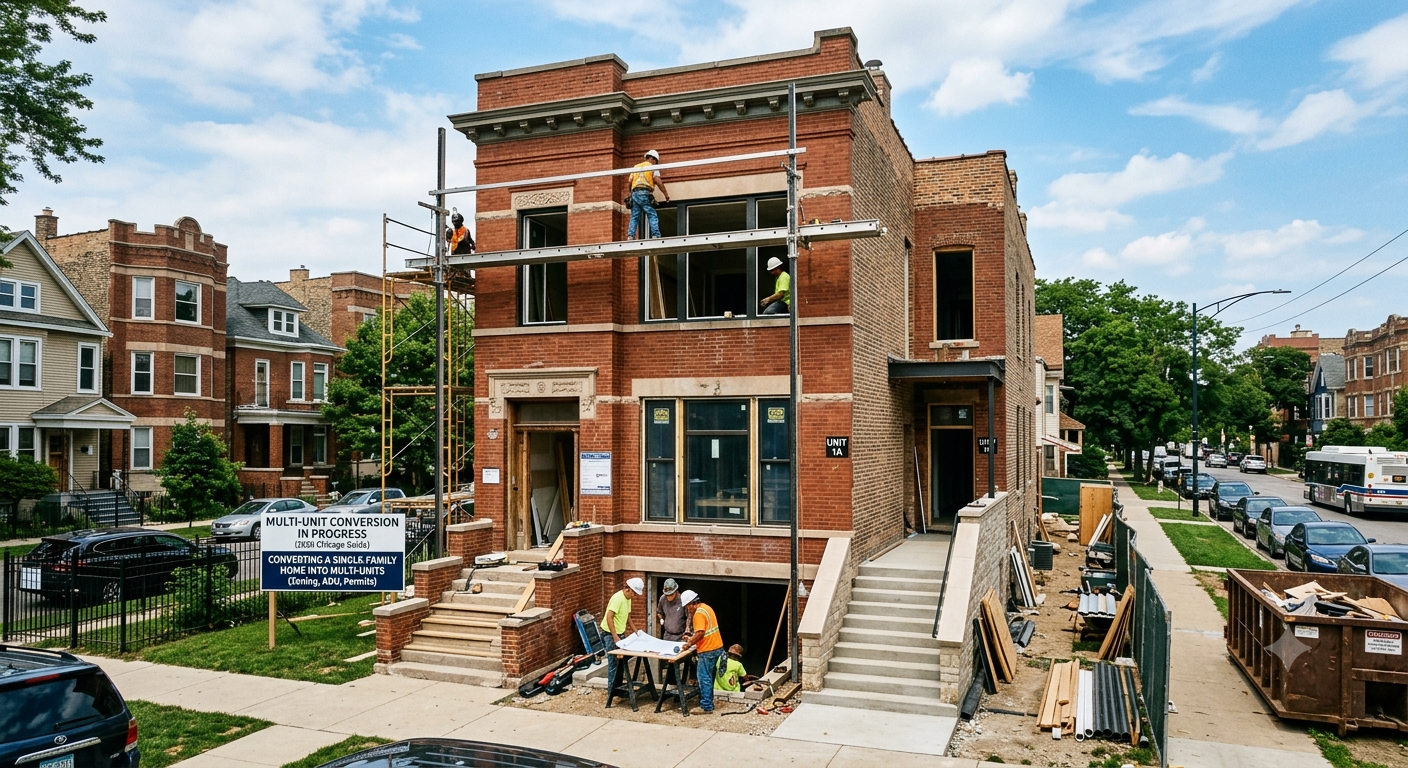
🏙️ Is It Legal to Convert a Single Family Home in Chicago?
Yes—but it depends on zoning.
In Chicago, property conversions are regulated under the city’s zoning ordinance. A single-family home can only be converted into a duplex or multi-unit building if:
- The property is zoned for multi-unit use (RT, RM, or higher)
- You obtain proper building permits
- The structure meets building and safety codes
- Parking requirements are satisfied (varies by zone)
👉 Always verify zoning first before planning any renovation.
🧭 Chicago Zoning Rules for Property Conversion
Chicago zoning is divided into several residential categories:
- RS (Single-Family Residential) – Conversion NOT allowed
- RT (Two-Flat / Townhouse Districts) – Duplex or multi-unit conversion may be allowed
- RM (Multi-Unit Residential) – Full conversion allowed
- DX / Downtown Zones – High flexibility for multi-unit use
👉 You can check zoning through the official Chicago zoning map:
City of Chicago Zoning Map
💰 Cost to Convert Single Family to Multi Unit in Chicago
Conversion costs depend on property condition and size.
Typical cost ranges:
- Light renovation (existing layout): $50,000 – $120,000
- Moderate conversion (new unit creation): $120,000 – $250,000
- Full structural conversion: $250,000 – $500,000+
Main cost factors:
- Plumbing & electrical separation
- Additional kitchens/bathrooms
- Fire safety compliance
- Permits & inspections
- Contractor labor
🛠️ Step-by-Step Conversion Process
1. Check zoning classification
Confirm if your property allows multi-unit use.
2. Hire a licensed architect or contractor
You need plans that meet Chicago building code.
3. Apply for permits
Submit conversion plans to the Chicago Department of Buildings.
4. Structural modifications
Add separate entrances, utilities, and living spaces.
5. City inspection approval
Final inspection ensures code compliance.
6. Obtain occupancy certification
You can legally rent or sell units.
📈 ROI and Rental Income Potential
Converting a single-family home into a multi-unit property can significantly increase income.
Example:
- Single-family rent: $2,500/month
- Duplex conversion: $4,200–$5,500/month total rent
- Triplex: $6,000–$8,000/month+
Benefits:
- Higher cash flow
- Increased property value
- Better long-term equity growth
⚠️ Common Mistakes to Avoid
- Ignoring zoning restrictions
- Starting renovation without permits
- Underestimating construction costs
- Not planning for parking requirements
- Hiring unlicensed contractors
📊 When Conversion Makes Sense
This strategy works best if:
- Property is in RT or RM zoning
- You plan long-term rental income
- The home has a large lot or basement potential
- You are targeting cash-flow investment strategy
🔗 Useful Tools & Resources
- Chicago Flip ROI Calculator: https://chicagolandhousehack.com/calculate-flip-profit-chicago/
- Chicago housing investment guides (internal link opportunity)
❓ FAQ (SEO BOOST SECTION)
Is it hard to convert a single-family home in Chicago?
It depends on zoning and structure. RT and RM zones are easier to convert than RS zones.
Do I need a permit to convert a house into a duplex?
Yes. Chicago requires building permits and inspections for all conversions.
How long does the conversion process take?
Typically 3–9 months depending on project size and permit approval.
Is converting a home profitable in Chicago?
Yes, especially in high-demand rental areas where multi-unit properties generate higher cash flow.