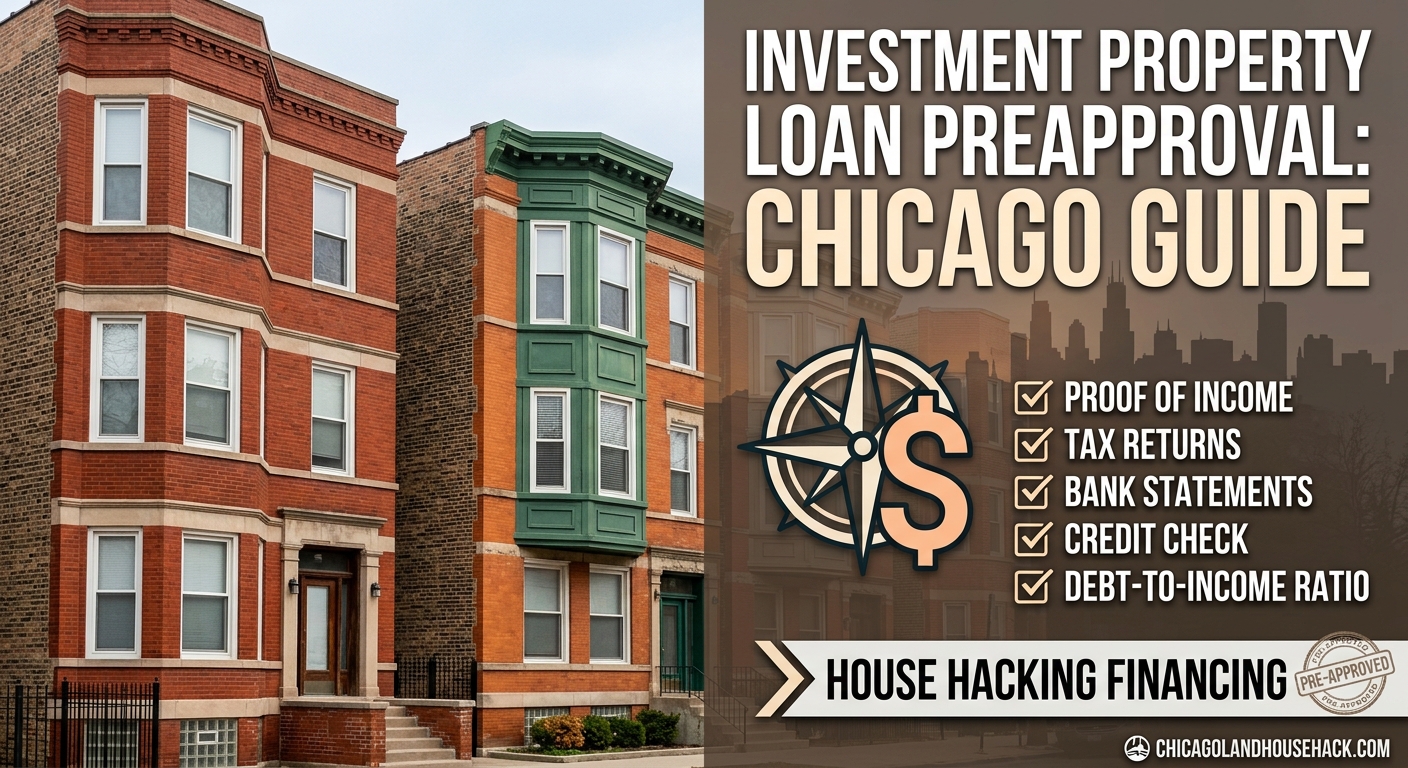
Buying a 2-Flat in Chicago: Why It’s One of the Smartest Real Estate Movesh Chicago?
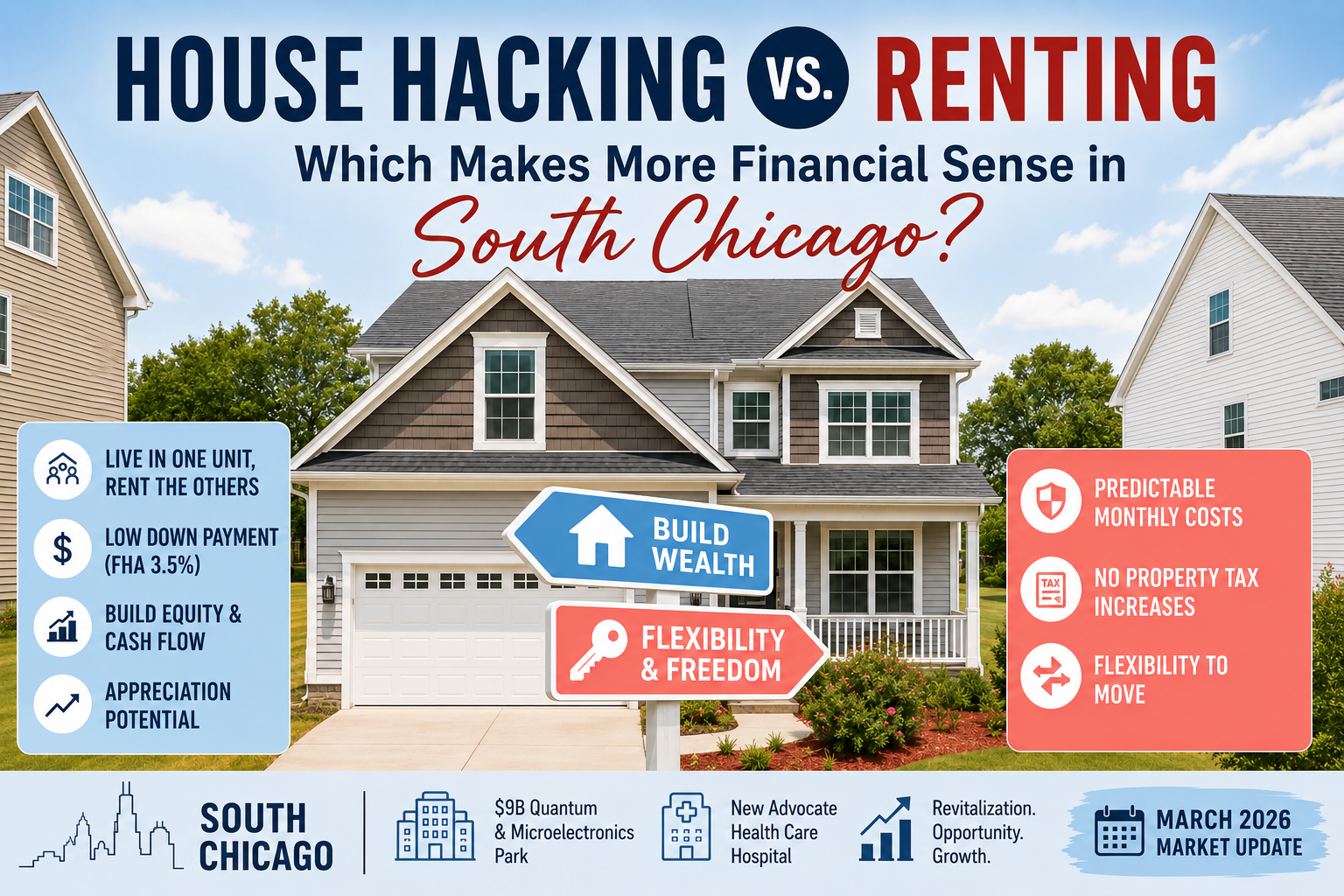
Buying a 2-Flat in Chicago: Why It's One of the Smartest Real Estate Moves
Why Buying a 2-Flat in Chicago Makes Financial Sense
One of the biggest advantages of buying a 2-flat in Chicago is the ability to generate income from your property. Unlike a traditional single-family home, a 2-flat consists of two separate residential units, each with its own living space, kitchen, and bathroom.
This setup allows homeowners to live in one unit while renting out the other. The rental income can help offset mortgage payments, property taxes, insurance costs, and ongoing maintenance expenses. For many buyers, this additional income makes homeownership more manageable and sustainable.
Rather than viewing housing solely as an expense, owning a Chicago 2-flat transforms your home into an asset that has the potential to contribute to your financial goals.
House Hacking: The Biggest Advantage of Buying a 2-Flat in Chicago
One of the most popular strategies associated with buying a 2-flat in Chicago is known as house hacking. House hacking simply means living in one unit of a multifamily property while renting out the remaining unit.
This strategy has gained popularity because it allows buyers to begin investing in real estate without purchasing a separate investment property. Instead of waiting years to save for another down payment, homeowners can start generating rental income immediately.
For example, the rent collected from the second unit may cover a substantial portion of the monthly mortgage payment. Over time, this can significantly reduce housing costs while allowing the homeowner to build equity in the property.
For buyers interested in financial independence and long-term wealth creation, house hacking can be a powerful first step.
How a Chicago 2-Flat Helps You Start Real Estate Investing
Many people assume that becoming a real estate investor requires significant capital and large down payments. While that may be true for commercial buildings or larger apartment complexes, buying a 2-flat in Chicago often involves traditional residential financing options.
Owner-occupied multifamily properties may qualify for mortgage programs designed for primary residences. In many cases, these programs require lower down payments compared to investment-property loans.
This lower barrier to entry allows buyers to purchase a property that not only serves as their home but also produces rental income. For many investors, a 2-flat becomes the foundation for building a larger real estate portfolio over time.
Building Wealth Through a Chicago 2-Flat Property
Real estate remains one of the most effective tools for building long-term wealth because it offers multiple financial benefits simultaneously. Buying a 2-flat in Chicago can help homeowners create wealth through several channels.
Equity Growth
Every mortgage payment contributes toward increasing your ownership stake in the property. Over time, this equity can become a valuable financial resource.
Rental Income
The second unit provides the opportunity to generate recurring monthly income. Some owners use this income to offset expenses, while others reinvest it into future investment opportunities.
Property Appreciation
Although real estate markets naturally fluctuate, properties located in desirable Chicago neighborhoods often appreciate over the long term. As property values rise, owners may benefit from increased equity and net worth.
Inflation Protection
Rental rates tend to increase gradually over time. This can help property owners keep pace with inflation and rising living expenses while preserving purchasing power.
Together, these factors make buying a 2-flat in Chicago an appealing strategy for individuals focused on long-term financial growth.
Why Chicago Is Ideal for 2-Flat Investments
Chicago is one of the few major cities in the United States where small multifamily buildings remain widely available across diverse neighborhoods. Classic brick 2-flats have long been a defining feature of the city’s residential landscape.
Many of these properties were originally built to accommodate extended families or provide supplemental income for homeowners. Today, they continue to serve a similar purpose while offering modern buyers a unique opportunity to combine homeownership with investment.
Whether located in transit-friendly neighborhoods or quieter residential communities, Chicago 2-flats provide accessibility to buyers with a variety of budgets and goals.
The abundance of these properties throughout the city makes buying a 2-flat in Chicago a realistic option for many prospective homeowners.
The Flexibility of Owning a 2-Flat in Chicago
Another reason buyers are drawn to Chicago 2-flats is the flexibility they offer.
Some homeowners choose to live in one unit while renting the other for several years. Later, they may move into a different home and convert the entire building into a rental property.
Others renovate individual units to increase rental income and improve the property’s overall value. Some families even use both units to accommodate multigenerational living arrangements.
Unlike many housing options, a 2-flat can evolve alongside the owner’s changing lifestyle and financial objectives.
This adaptability makes buying a 2-flat in Chicago both a practical housing decision and a strategic investment.
Rental Demand Supports Chicago 2-Flat Owners
Chicago’s strong rental market contributes to the appeal of small multifamily properties.
The city’s diverse economy, higher education institutions, healthcare systems, and extensive public transportation network create ongoing demand for rental housing. In addition, many renters prefer smaller residential buildings because they often provide greater privacy and neighborhood character compared to larger apartment complexes.
Consistent rental demand can help support occupancy levels and contribute to stable rental income, making ownership of a Chicago 2-flat an attractive long-term strategy.
Is Buying a 2-Flat in Chicago Right for You?
In today’s housing market, buyers are increasingly searching for creative ways to make homeownership more affordable and financially rewarding.
Buying a 2-flat in Chicago offers a unique combination of homeownership, income generation, and investment potential. By living in one unit and renting out the other, homeowners may reduce monthly expenses while simultaneously building equity and long-term wealth.
However, owning a multifamily property also comes with responsibilities. Buyers should be prepared to manage tenants, maintain the property, and understand local landlord regulations. Working with knowledgeable real estate professionals can help ensure you make informed decisions throughout the purchasing process.
For many buyers, the advantages far outweigh the challenges.
Frequently Asked Questions About Buying a 2-Flat in Chicago
Is buying a 2-flat in Chicago a good investment?
A Chicago 2-flat can provide rental income, long-term appreciation potential, and equity growth. Many buyers view it as both a place to live and an opportunity to build wealth over time.
Can I use an FHA loan to buy a 2-flat in Chicago?
Many owner-occupied buyers use FHA financing to purchase multifamily properties, including 2-flats, provided they meet eligibility requirements. Consulting with a qualified lender can help determine the best financing option for your situation.
What is house hacking?
House hacking refers to living in one unit of a multifamily property while renting out the other unit. This strategy helps offset housing expenses and allows homeowners to begin investing in real estate.
Are Chicago 2-flats easy to rent?
Chicago generally experiences strong rental demand across many neighborhoods. Factors such as location, property condition, and market trends influence how quickly a unit may be leased.
Final Thoughts
Buying a 2-flat in Chicago is more than simply purchasing a property—it’s adopting a strategy that blends homeownership with investment.
The ability to generate rental income, build equity, benefit from potential appreciation, and adapt the property to changing life circumstances makes a 2-flat one of the most practical real estate opportunities available.
For buyers who want their home to do more than provide shelter, buying a 2-flat in Chicago can be a powerful step toward financial security and long-term wealth building.
If you’re considering buying a 2-flat in Chicago, working with experienced real estate professionals can help you identify opportunities that align with your financial goals and investment strategy. With the right guidance and careful planning, a Chicago 2-flat may become one of the smartest real estate moves you’ll ever make.