What Is House Hacking and Why Every Chicagoan Should Know About It
What Is House Hacking and Why Every Chicagoan Should Know About It
If you’re a Chicago resident struggling with rising housing costs or dreaming of homeownership but unsure how to start, house hacking could be the strategy you need to know. This increasingly popular real estate approach helps buyers reduce housing expenses, build wealth, and enter a tough housing market with less financial strain.
What Is House Hacking? (Simple Explanation)
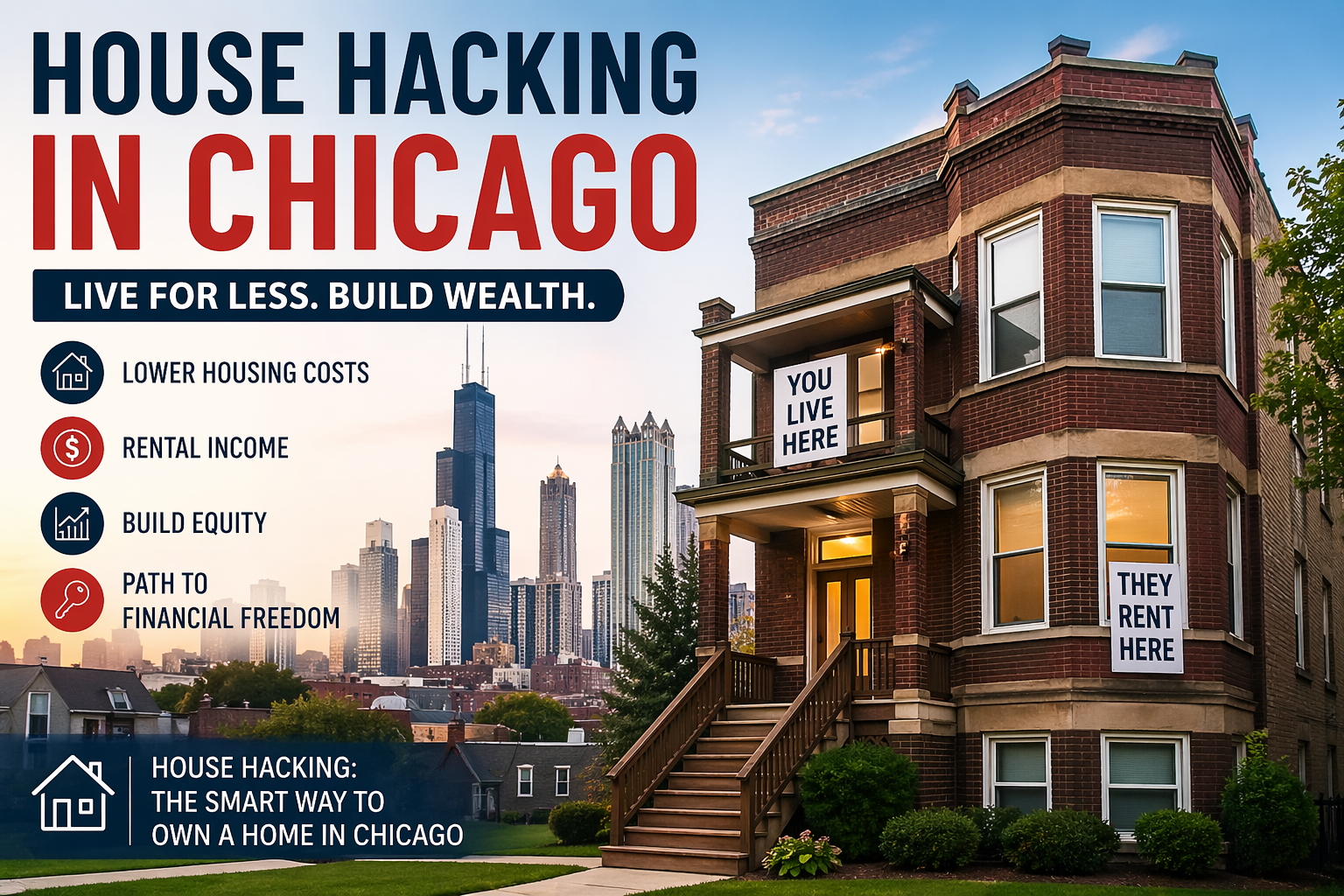
House hacking is a real estate strategy where you buy a property, live in one part of it, and rent out the rest to generate income that helps cover your mortgage and housing costs. This can be done by:
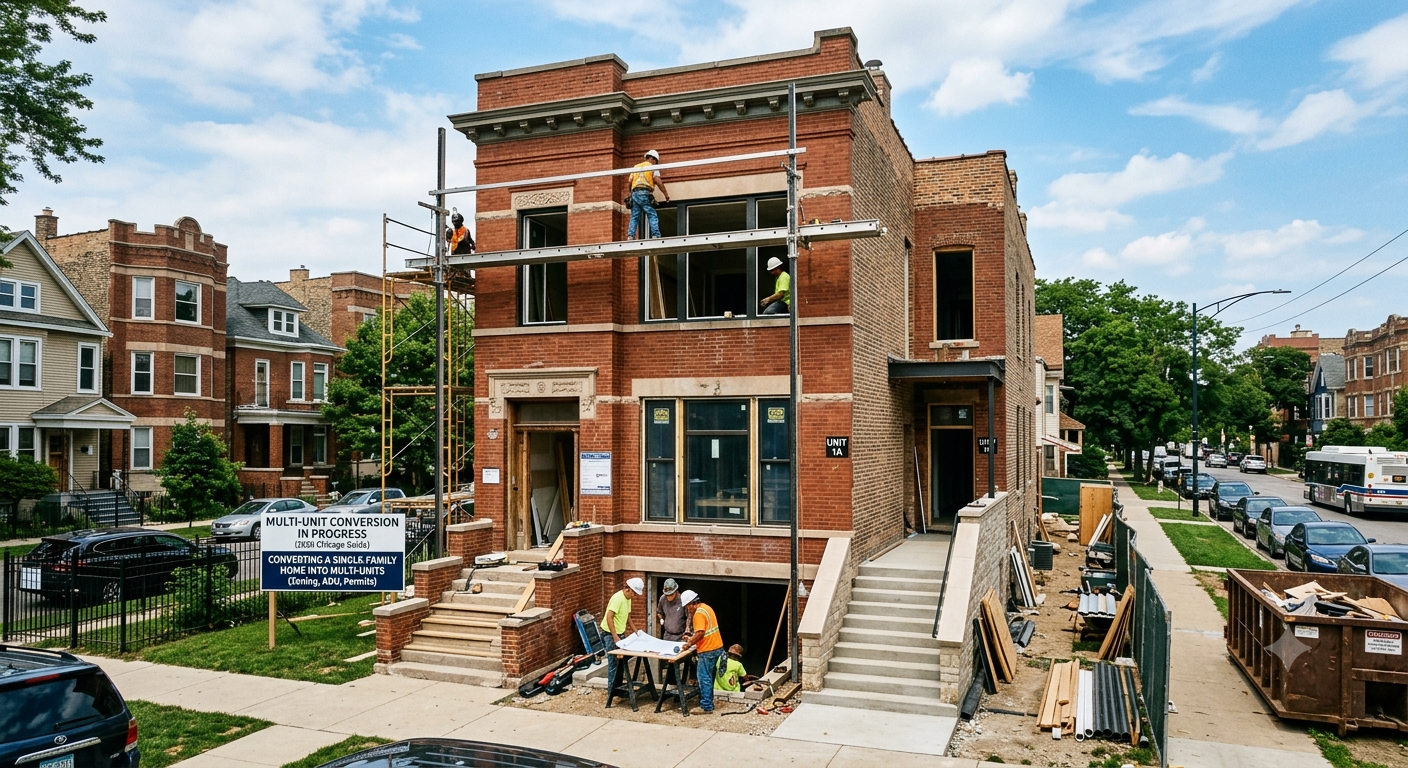
• Purchasing a multi-unit building (like a duplex, triplex, or four-plex) and living in one unit while renting the others.
• Buying a single-family home and renting extra bedrooms, finished basements, or accessory dwelling units (ADUs).
• Renting out a basement apartment or an in-law suite while living in the main house.
In essence, part of your home pays for itself, turning what would be purely living expenses into a real estate investment.
Why House Hacking Works in Chicago (and Really Matters)
Chicago’s real estate market has unique features that make house hacking not just possible but especially effective:
🌆 1. Abundance of Multi-Unit Buildings
Chicago is famous for its two-, three-, and four-unit buildings (especially in neighborhoods like Bridgeport, Albany Park, and Rogers Park). These structures are historically designed for rental income, making them perfect for house hacking.
📊 2. High Rent Demand
The city has a large renter population and relatively low rental vacancy rates, meaning extra units or rooms you rent out are likely to stay occupied — a major plus for consistent income.
🏠 3. Lower Barriers to Entry
House hackers can often use owner-occupant mortgage loans (like FHA or conventional loans) that require as little as ~3–5% down — much lower than traditional investment property financing. This helps buyers enter the market sooner.
The Financial Benefits of House Hacking
House hacking isn’t just a clever trick — it’s now a strategic way to combat high housing costs and build long-term wealth, especially in cities where homeownership is hard to reach.
Here’s how it helps:
💰 Reduce Housing Costs or Live Nearly Free
By renting out portions of the property, many house hackers cover all or most of their mortgage and utility costs with rental income, reducing monthly housing expenses significantly.
📈 Build Equity and Wealth
Each mortgage payment helps you build equity — and when your tenants’ rent offsets that mortgage, you’re building wealth faster than if you were renting.
📉 Lower Loan Costs Than Investment Properties
Because you’re buying it as a primary residence, you often qualify for loans with lower interest rates and down payments than investment property terms — a real advantage for first-time buyers.
Why House Hacking Is Especially Relevant Now
Real estate market conditions in 2025–2026 show why house hacking has moved from a niche investing strategy to a practical affordability tool:
📉 First-Time Buyers Are Fewer and Older
According to the 2025 Profile of Home Buyers and Sellers by the National Association of REALTORS®, the share of first-time buyers is at a record low of just 21%, and the median age of first-time buyers has risen to around 40 — meaning many younger people are priced out of the market.
📈 Housing Affordability Remains Tight
NAR’s recent analysis shows many buyers spend more than the recommended 30% of income on housing, and housing costs are a central affordability concern nationwide.
In this environment, strategies that reduce housing expenses — like house hacking — can make homeownership more attainable for Chicago’s aspiring buyers.
Who Should Consider House Hacking?
House hacking isn’t for everyone — but it’s especially compelling for:
✅ First-time homebuyers struggling with rising costs
✅ Young professionals or families looking to build wealth
✅ Buyers who want to start real estate investing with low risk
✅ Chicagoans who want to live in desirable neighborhoods without crushing rent or mortgage payments
Potential Challenges to Know
Like any strategy, it comes with trade-offs:
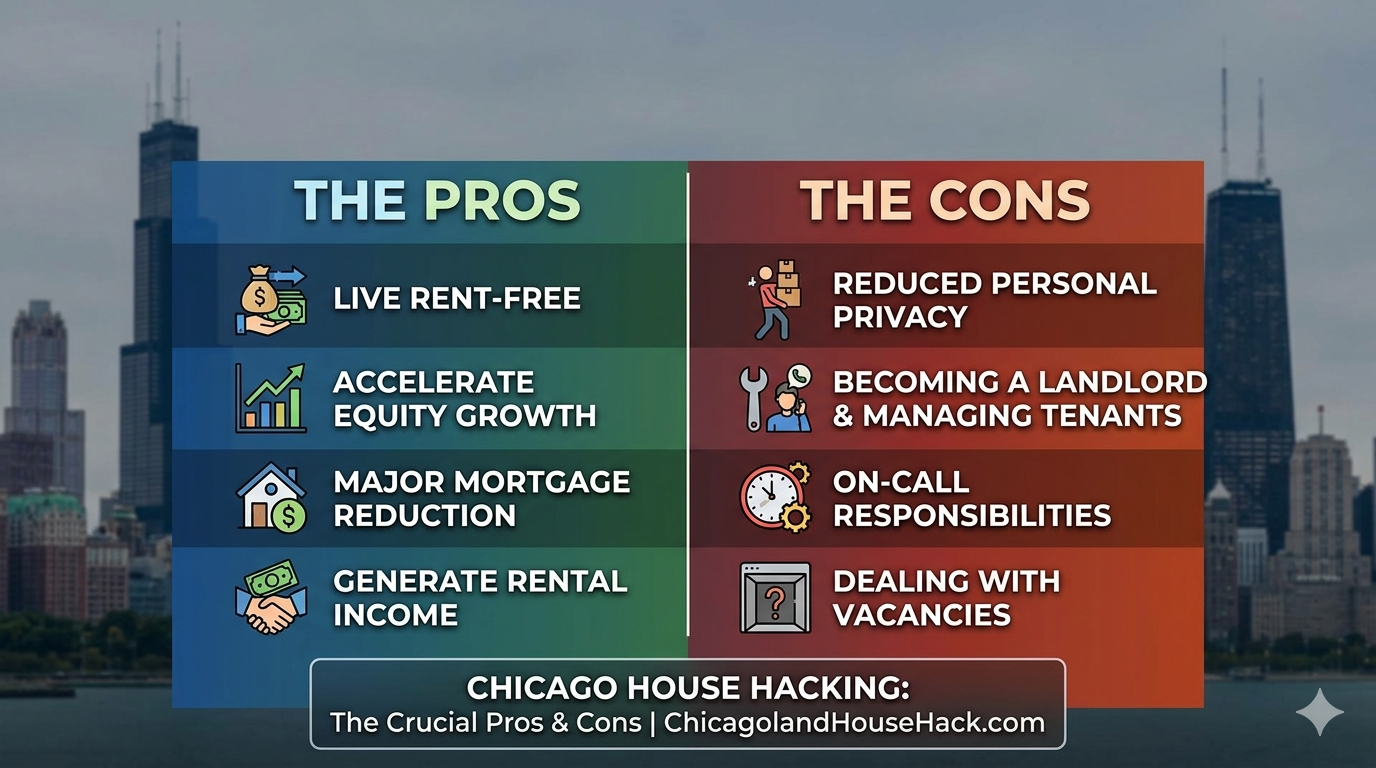
• Being a landlord means managing tenants and property, which can take time.
• Privacy compromises when renting part of your home.
• Market shifts — changing mortgage rates or rent levels can impact cash flow (though long-term equity benefits often remain).
Understanding the legalities — from zoning regulations to tenant rights — is also essential before starting.
Final Thoughts
House hacking has shifted from a real estate investing trend to a practical affordability solution in today’s high-cost housing market. For many Chicagoans facing limited housing inventory and high prices, leveraging rental income through house hacking opens a door to homeownership, financial independence, and long-term wealth building.
If you’re serious about getting into real estate or simply want a smarter way to live affordably in Chicago, house hacking is worth learning more about — and acting on.